

Journal — Envelope
Why we pour the frame to the mullion

Most contractors buy the facade after the frame is standing. That order is the reason so many finished buildings have a fat, uneven shadow gap where the architect drew a crisp line. On our own contracts we reverse it.
The usual order of things
A conventional programme prices the structure first, pours it, and procures the facade somewhere around the time the last slab goes down. Commercially that is a sensible order. The structure is the long-lead risk, and glazing is a package you can tender competitively once the geometry is fixed and there is something real to measure.
The difficulty is that it makes the facade the last link in the chain, and the last link in any chain absorbs everything upstream of it. Concrete has a tolerance. Setting out has a tolerance. Formwork moves under load. A slab deflects when you strike it and deflects again when you load it. None of those numbers is alarming on its own. Stacked through three storeys they routinely arrive at fifteen to twenty millimetres of accumulated error at the head of an opening.
That error has to go somewhere, and it goes into the frame: a deeper rebate, a taller shim stack, a packer behind the transom, a bead of sealant at twice its drawn width. The window still works. It is still watertight, still warranted, still signed off. But the 12 mm shadow gap on the drawing is 31 mm at one jamb and 9 mm at the other, and the eye reads that immediately even when it cannot say what is wrong.
What tolerance actually costs
The cost is rarely a defect. It is a slow accumulation of compromises that each look reasonable in isolation:
- Sightlines grow. A frame drawn at 50 mm is fabricated at 50 mm and installed behind a 70 mm cover trim, because the trim is the only thing wide enough to hide the variance.
- Reveals stop being parallel. Two jambs on the same opening land at different depths, so the reveal tapers across the head.
- Sealant does structural work. A joint designed for movement ends up doing tolerance absorption as well, which is what it fails at first.
- The junction gets re-designed on site, at seven in the morning, by whoever is standing there. That decision is rarely written down and never coordinated with the next opening.
Buying eleven months early
We place the facade order at the end of design development, before the substructure is out of the ground. What we are buying at that point is not glass. Glass is months away from being cut. We are buying a dimensioned, fabricator-signed shop drawing: a real frame depth, a real mullion centre, a real fixing position, from a supplier who has committed to them.
Once that exists, the concrete has something to aim at. The setting-out drawings are produced from the facade shop drawings rather than the other way round. The formwork is positioned to the mullion grid. Cast-in channels go in at the fixing positions the fabricator nominated, not at positions we guessed and then drilled through afterwards.
We are not buying glass. We are buying a dimension we can pour to.
Envelope lead, ESGWhat it costs
- Commitment. You lose the ability to re-tender the package later. If the market moves in your favour in month nine, you do not capture it.
- Cash. A deposit leaves eleven months earlier than it otherwise would, which has a real financing cost on a private contract.
- Design discipline. The opening is frozen at the end of design development. Any change after that is a variation with a fabrication lead time attached, and those are the expensive kind.
- Storage and liability. Units may be manufactured before there is a weathertight building to put them in, so somebody is storing and insuring them.
What it saves
- The shadow gap is the drawn shadow gap. This is the whole point and it is worth more than it sounds.
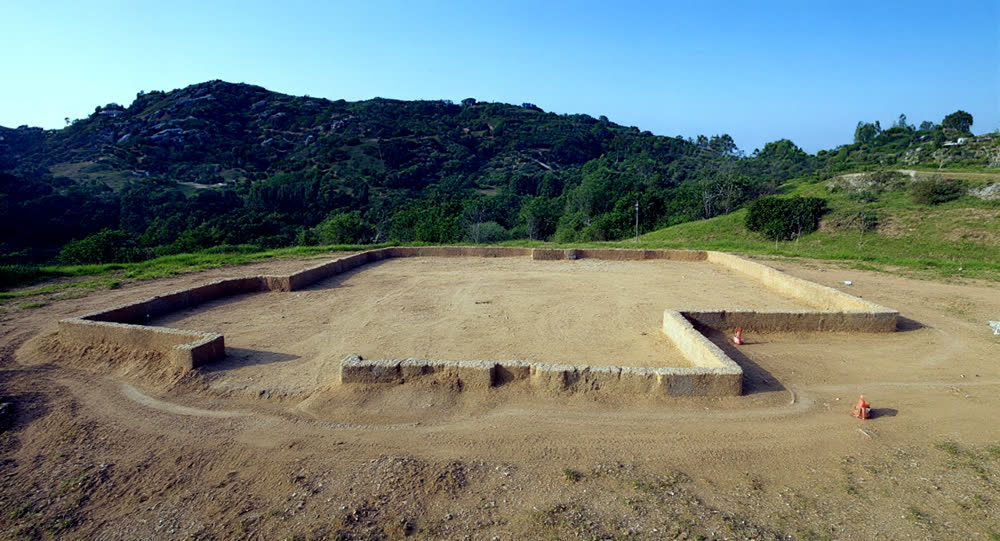
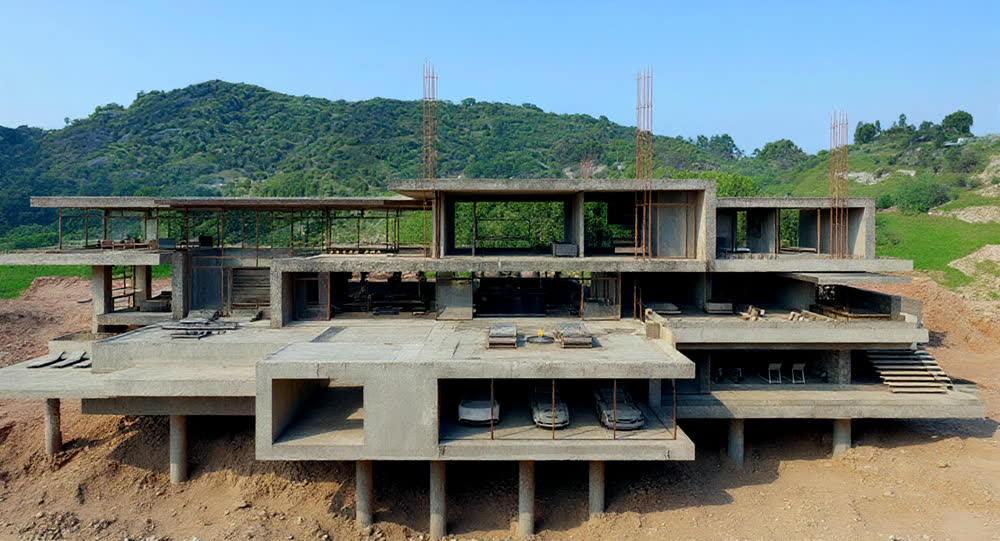
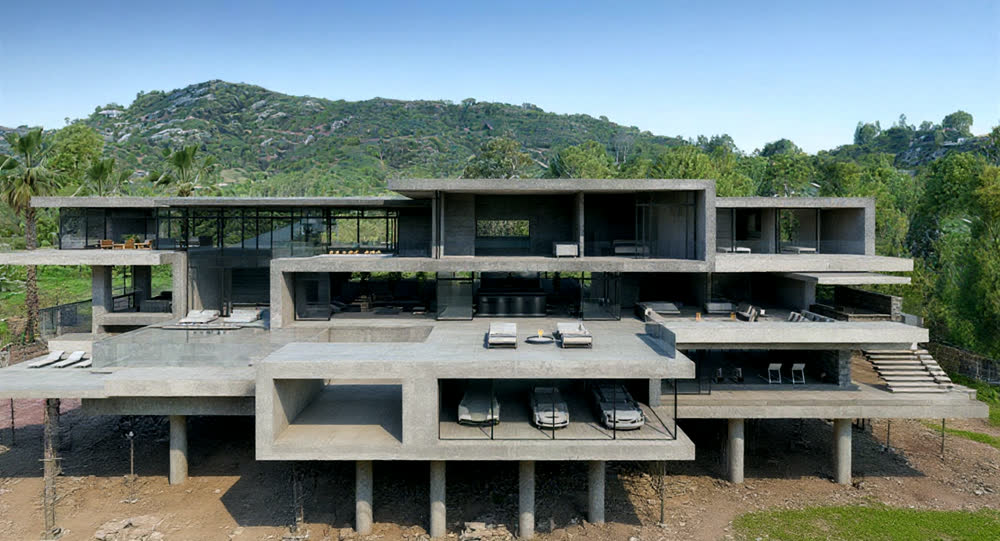
- Installation is faster, because it is fitting rather than fitting-and-adjusting. On Jebel Vista the glazing install ran three weeks under its allowance.
- The fabricator carries the geometry risk they created, instead of handing it to whoever comes last.
- Cast-in fixings replace post-drilled anchors, which means no drilling into a post-tensioned slab and no arguments about it.
When we do not do it
We do not do this on standard windows in a standard opening. If the frame is a catalogue product and the reveal is plastered, the accumulated tolerance disappears into the plaster and nobody is any the wiser. We also will not do it where the design is genuinely unresolved: freezing an opening around a facade order only works if the architect is ready to be held to that opening. Ordering early against a drawing that is still moving buys you the worst of both — the cash out, and the variation as well.